singer sewing machine logo vector
singer sewing machine logo vector
singer sewing machine logo vector Sewing is a craft that united states of americas a needle and meander to tie something or connect something . The history of stitchery dates back 1000s of years BC . Sewing has its own basic sewing technique, different from weaving and embroidery . In general, all still use the basic proficiencies of traditional stitchery, until the stitchery automobile came out in 1790, invented by Thomas Saint.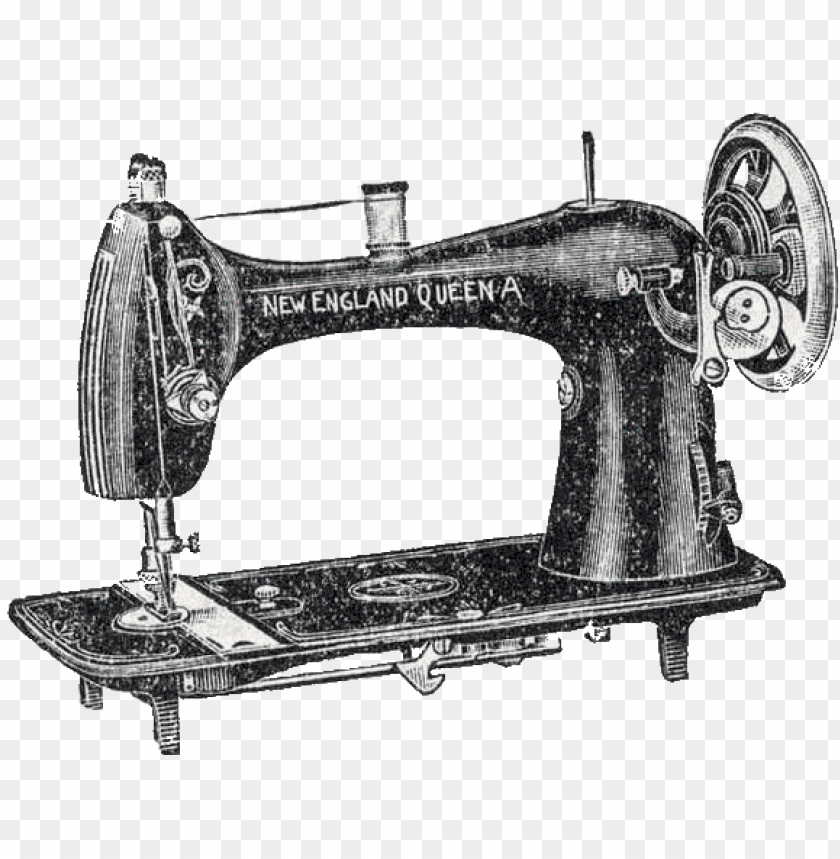
Download
Basic Sewing Techniques
Nowadays , sartors in the main use stitching machines more frequently . The political machine is shared out into two, videlicet traditional and electric automobile . Even so, the basic stitchery proficiencies are still being studied because purchasing a machine commands more capital . Another rationality is that using staple sewing techniques leave give you much better solvents and diversity than machines . Here's an explanation for the basic sewing technique:

1 . Skewers
The staple proficiency of sewing a tacking stitch is a proficiency in which the practice moves from child to left . This stitch proficiency is utile for devising stitches neater and even perfect . The tacking stitch practice has 3 purposes, videlicet sewing the sides of the fabric, conclusion the ends of a shape, and fashioning the fabric have a wrinkle effect.
As for the basting proficiency, there are 3 types, namely:
Ordinary Skewers : This proficiency is done with inadequate distances, different.
Skewer a certain distance : This proficiency uses a uniform distance . This type of basting stitch stitch is useful for temp stitches.
Skewer Barrier : This technique united states a single space . 'tween each stitch . This stitch is made with double togs so that when the stitch is ruined, there is a tincture of the last stitch.

2 . Stabbing Traces / Flip
The following staple stitching proficiency is the imprint piercing technique or another name for the back thrust stitch . This trail stitch has the same vallecula as a sewing machine . How to make a trail stab stitch pattern is to do the stitches twice from the top stitch . The role of the trail shot is to make cosmetic line ornamentations that are straight, round, or other shapes according to the in demand intention . Examples of the results are the motifs on the sarong in the cast of boxwoods, making stressed occupations, writing, and others . Another function is to connect textiles with other fabrics and zipper connexions with fabrics.

3 . Skewer Flannel
The staple technique of stitching flannel stitches is generally secondhand as a method of sewing the edges of the garment being overlaid . Basically, flannel stitches are used on fabrics that have an expensive selling value . The flannel stitch technique has 3 uses, viz. as decoration, staple stitches, and tail fancywork with rigorous spatial arrangement that can follow the motive.
How to apply a flannel stitch is to do a baste stitch on a material that has been sewn 3-4cm with a 0.75cm step backwards . Insert the needle to the right hand and backrest again 0.5 cm . Thread back over the first run up and proceed until you're done.


4 . Skewer Feston
Feston has a role to finishing the lint on the seam . An example is the loop on the sleeves in baby dress . In addition, the Feston stitch pattern besides villeins as a decoration . Especially if the combination of basic and decorative thread colours has a goodness harmony . The form of ornament that can be made with a festival pattern is a flower-like shape.
5 . Prick the Wrap
The bandage run up practice is utilitarian for sewing damaged lint on hair curler clinches . Another part is as a finish technique on the edge of the seam . How to sew with the staple technique of balut sew together is left field to right hand and vice versa at a rebuff angle.
6 . Skewer / Stem
Especially useful as a decoration on a material . The results that can be obtained from sticks are in conformity with the resultant roles, viz. the shape of the stem turn . It is possible to make other originations with stick sticks, but in general they are made to make sticks.
How to utilize the deposit sew practice is to sew back 1/2 cm and attach 5-6 duds to the fabric . After that the needle is pulled out and develops a chaff stitch . This pattern is perennial until the desired result is obtained . If you want to make a larger size, the stitch distance is made tighter and the material is larger.
7 . Chain Stitch
As the name implies, the staple technique of sewing a chain stitch has a practice that forms a chain . This pattern is useful for making ornamentations on materials in the form of chains, for exercise, tree ramifies and tree ramifies.
How to take in a chain run up is to take a tread frontward in sewing . First, stick the needle from the bottom to the top of the material . After that the needle will be inserted back into the hole where the needle formed a lap due to the old puncture . Pull the needle and ingeminate the approach pattern until the sought after pattern is formed.8 . Cross Skewer
The cover stitch pattern is used as a ornamentation on the material . How to work a frustrate sew pattern is to sew from the top right wing to the bottom of the inning leftfield, after that the direction is made to the bottom of the inning right . The moment stab will start at the bottom right and and so work towards the top left . Make certain that the stitches are aligned at the top and bottomland so that they form a not bad cross run up . Repeat until you get the coveted result.
9 . Skewer Piquar
The piquar stitch is a basic stitching proficiency that is utilitarian for attaching furred materials . Generally used on fur pelages, jackets, or suits . Another role of piquare stitch is as a palm on other wearing apparel.
10 . Skewer Som
The som run up pattern is used to sew and lock the congregations in the fabric . Fabrics that rich person been locked with a som stitch pattern cannot be open once more easily . How to use the som technique is to stick around the wander into the folded textile . Pull the wander and so thrust it back next to the stitch with a nasty distance . Repeat until you get finished stitchery the fold ups.
11 . Flatback
The staple technique of sewing a directly stitch is from left field to right hand . This practice is made by going up and grim in a straight person line and in layers covering the stallion surface of the ornamentation . This proficiency is generally secondhand to make ornaments in the form of foliages or bloom crowns, and doll noses.
12 . Open Chain Stitch
Is one descriptor of cosmetic stitch that changes . This sew together is basically a chain sew with its own variances . This practice is in general made into ornamentation on skirts because it descriptors an opened mouth.
13 . Skewers
Similar to the bowl stitch type . The difference is in the serve . The parallel bars serve to grace the come on, patch the roll stitch technique is utilitarian for connecting two textiles together . Examples of grates are the mould of the eyes, nose, oral fissure, and blossom crowns.
14 . Skewer Roll
The staple technique of stitching a roster stitch, as the name indicates, this rule forms a circle when applied . This technique is used to connect the cloth so that the terminals of the fabric do not pile up.
15 . Bullion Stab
The Bullion stitch proficiency is not a basic stitching technique . Bullion is an advance proficiency seldom secondhand by sews . The bullion stitch model makes petite string of beads to organize bantam blooms and thomas more.
16 . Skewer Roumani / Rumani
The roumani proficiency is the saame as the bullion stitch . This technique has an advanced plane and is not commonly secondhand . The Roumani stitch design is utilitarian for forming decorations with inside information, for example, yearn leafages and blossoms.
17 . Satin Skewer
The satin stitch pattern is used to make leaf-shaped decorations in general . In addition to leaves, satin stitch technique can as well be used to signifier various decorations as desired.
18 . Flat Skewer
The flat stitch figure is secondhand as a embellishment in the stitch . In general, to fill up in the empty william claude dukenfield in the framework that has been created.
19 . Straight Skewer
The basic technique of stitching a straight person stitch has the same practice as the name implies, which is heterosexual person . This technique is secondhand to form flowers and gunter wilhelm grass with straight person sew togethers.
20 . Skewer Flowers
The basic technique of sewing bloom stitch has a very unique traffic pattern . Patterns of blossom stitches change wide with the results forming the framework of a bloom . How to do a different bloom stitch according to the coveted flower.
21 . Skewer Veston
The daar technique of stitching the vetson stitch is secondhand on tablecloths, blankets, fabric edges, article of clothing edges, and so on . Including easy and can be done as didactics to babies . The sewing instruction can be done from leftfield to correct or vice versa . Start sewing by cutting from the inside of the material at a position 1 cm from the end of the material, after that pull it out . Put it back in the textile good the number one hole out and pull it gently . After that there will be a circulate of thread, put the wind in the circulate and and then pull it . Repeat until finished sewing.
Download
Posting Komentar untuk "singer sewing machine logo vector"